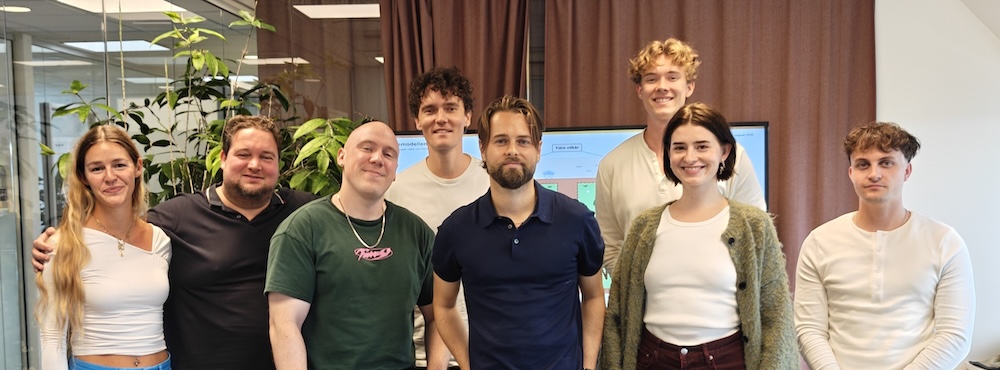
Copenhagen-based music publisher and management company ColliderScopeCollective (CSC) is taking a different approach to artist development, placing communication, trust and psychological understanding at the centre of its creative operations. Founded by Simon Dilling, the collective connects songwriters, artists and producers across Copenhagen and Los Angeles, with its roster holding credits involving Kendrick Lamar, Taylor Swift, Omar Apollo and Green Day.
In a move that challenges traditional music industry practices, CSC has partnered with clinical psychologist Simon Gentsof Stem Sindet to introduce structured psychological workshops into the collective’s everyday working environment. But rather than focusing solely on individual wellbeing, the initiative explores how artists and producers communicate, manage creative disagreements, establish responsibilities and build stronger professional relationships.
Following three workshops in Copenhagen, the programme will continue throughout 2027, with plans to extend the approach to CSC’s LA roster. The collaboration could also develop into a series of talks examining the relationship between psychological understanding and sustainable creative careers.
We caught up with ColliderScopeCollective to discuss the inspiration behind the initiative, bringing clinical psychology into music management, overcoming communication barriers within creative teams and whether this approach could offer a different model for the wider music industry.
–
ColliderScopeCollective has taken the unusual step of bringing a clinical psychologist into its creative and professional environment. What first inspired this decision, and what did you feel was missing from the traditional music management model?
Every manager operates differently, and this is a big part of how I manage my roster. Making music is a collaborative craft for us, and at some point I realised that the core of our business is the relationships. A coach works on the individual. What was missing for me was someone who works on the room, on how people actually talk to each other about a song, a mix or a plan. For the room we needed a team psychologist, so I invited Simon Gents in.
The music industry has long faced criticism over its approach to artists’ mental health and wellbeing. Where do you think the industry is falling short, and what responsibility should management companies and publishers take for changing that?
Everyone approaches it differently, but for me it is simple. We are in this business to create and nurture music, and that means we have to take care of our talent. Too often wellbeing is something you offer when things go wrong, a perk or a helpline. I see a need for it to be a core part of how the industry works, and a real potential in building new business models around the people who create the music. The responsibility sits with the industry around the creatives, to make the right setting for music to be made.
You’ve now completed three workshops with psychologist Simon Gents. What have been the most surprising discoveries or valuable lessons to emerge from those sessions?
We have found a lot of blind spots in the way we operate. Having someone from the outside shape how we work and communicate makes them visible. We are growing more and more into a collective, and the sessions have been a big part of how everyone works on projects around the music together. Communication is the big one. How much we gain from getting to know each other, and how everyone operates on a deeper level, creates so much more drive forward. And three workshops is the easy part. The next year is about using it when a session goes badly or a plan changes.
Creative environments can be intensely personal, particularly when artists are sharing unfinished music or receiving criticism. How are you using psychology to encourage more honest communication without compromising creative confidence or individuality?
This is where the question of ego towards the collective comes up. Everyone is responsible for the relationships, which means we treat each other with care. Feedback and criticism are opinions, and at the end of the day the people making the song are the ones who decide. In most cases several people from the collective are working on a track together, so honesty is part of making it. We have talked a lot about honesty in the workshops, because healthy honesty is what builds trust. When people actually start having the conversation, the trust between them grows.
CSC operates between Copenhagen and Los Angeles, bringing together artists, songwriters and producers from different backgrounds and working cultures. What challenges does that international dynamic create, and how might this new approach help strengthen those relationships?
The distance is of course a challenge, but we are building our connections around a shared purpose. The first step has been getting the people together, so the relationship between the two cities could form. We have been to LA many times, the LA producers have been in Copenhagen, and many collaborations are running between the two. How we bring the psychology work to LA has to be shaped with the people there, so it grows out of the collaborations themselves.
Your LA roster includes producers and engineers who have worked with artists such as Kendrick Lamar, Taylor Swift and Omar Apollo. How do you balance the pressures and expectations associated with working at that level while maintaining a supportive and collaborative environment?
The people I work with understand the importance of collaboration. These are huge credits, but much of their day to day work is with emerging artists like KELS, Chad Tepper and ALEXSUCKS, where they are deeply involved in creating together. We are not trading on those names. They share our mindset, that it is about the music and the people making it, and the pressure is easier to carry when the environment around it is honest and the responsibility is shared.
You’ve spoken about keeping ego in proportion to the wider collective. In an industry where individual success and personal recognition are often prioritised, how do you encourage artists and producers to embrace collective growth rather than competition?
It starts with myself. I sit in the workshops as a participant, not as the one running the room, and I carry my share of the responsibility for the relationships and for keeping my ego in proportion to the group. A founder who is exempt from the work is the fastest way to make the work meaningless. There is still healthy competition, but it builds on sharing experience, knowledge and skills, and music and shared knowledge already move between people. The ego is still important in the music itself, and the awareness to keep it balanced is what creates the culture we are exploring. When everyone takes part in it, it drives the collective forward.
The psychological workshops are intended to become a permanent part of CSC’s operating model rather than a one-off initiative. What practical changes do you hope artists and producers will notice in their everyday working lives over the next twelve months?
We are already seeing the roster co-create projects outside of the music, helping each other grow their careers. In everyday terms, I hope people notice fewer misunderstandings and less time lost to them, clearer roles on the work, and feedback that is asked for rather than avoided. And that nobody feels they carry their career alone. The responsibility is still theirs, but it should not be lonely. It is becoming part of what joining the collective means, next to shared vocal coaching, regular meetups and travelling together.
There’s often a perception that commercial success in the music industry requires relentless ambition, pressure and personal sacrifice. Do you believe a healthier, more psychologically informed working environment can actually lead to better music and stronger commercial results?
Yes, I do believe that. Personally I am very curious to explore how the music will sound when we mix more cultures and exchange more talent internationally. I still believe music requires relentless ambition, and especially persistence. The pressure is real, and in many cases it requires some personal sacrifice, because a career in music is a more chaotic and less controllable path than a nine to five. But sharing it with people makes it much easier to accomplish, and that is why I believe the collective approach will have stronger commercial results.
Looking towards 2027, you’ve discussed the possibility of taking this initiative beyond CSC through talks and industry events. What would you most like other record labels, publishers and management companies to learn from your experience, and could you see this approach becoming a wider industry standard?
That taking responsibility for the relationships between everyone involved in the work should be a key part of how we build the industry in the future. I meet people in music all over the world, and everyone seems to be in it for the music. There is a growing wish to collaborate, and what we are learning about healthy, long term collaboration is not only ours. If it becomes a standard, that would be a good outcome.
–
Learn more about ColliderScopeCollective on their website: http://www.cscmusic.dk/