If most debut albums aim to define an artist, ‘Camera Obscura’ does the opposite. It resists definition at every turn, choosing instead to explore the spaces between genres, moods, and ideas.
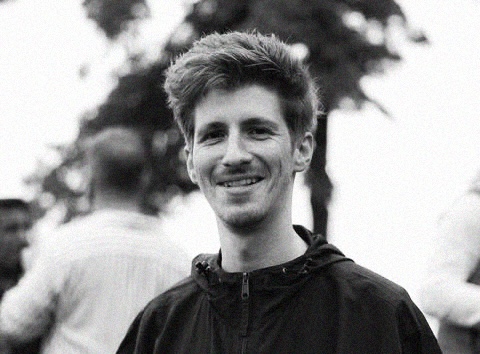
Vincent Roose, the brains behind Scopitone, approaches this project with a sense of curiosity that’s evident from the outset. The album moves freely, unconcerned with conventional structure, as the tracks expand and contract, sometimes feeling fully formed, while other times intentionally unresolved.
This unpredictability is central to the record’s identity. Rather than presenting a polished, cohesive sound, Roose embraces variation; where each piece feels like its own world, shaped by its own internal logic.
The emotional tone is equally varied. There are moments of quiet reflection alongside passages that feel far more intense. But what connects them is a shared sense of introspection, and a willingness to confront difficult feelings without attempting to resolve them too quickly.
Production plays a key role in shaping this atmosphere. The use of space is particularly effective, allowing certain elements to stand out while others fade into the background. It creates a listening experience that feels immersive without becoming overwhelming as it plays.
As a debut collection, ‘Camera Obscura’ sets an intriguing precedent. It suggests an artist more interested in asking questions than providing answers, and more focused on exploration than resolution.
In a landscape often driven by immediacy, Scopitone offers a record that unfolds slowly, revealing its depth over time.