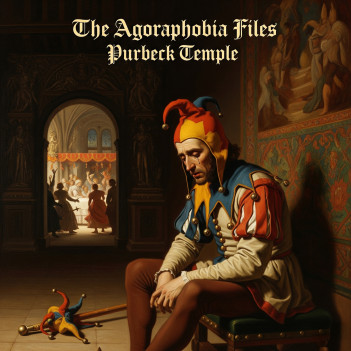
‘The Agoraphobia Files’, the debut from Hornsea’s Purbeck Temple, arrives and hits with the weight of a lifetime survived. Born from unimaginable adversity- an attack that left him with shattered bones, MRSA, double pneumonia, and a prognosis that offered little hope- Temple transforms trauma into art across thirteen deeply personal tracks. It’s a record that doesn’t just document survival; it inhabits it.
From the opening chords of ‘Not Everybody Looks For A Reason to Run’, you’re thrust into a world where fragility and defiance coexist. Temple’s vocals are unflinching, his lyrics an honest, sometimes sardonic reflection of the journey from hospital bed to home studio. The second track, ‘No Hard Feelings’, perhaps the emotional centerpiece, marries sarcasm with sorrow- a clever release valve for the chaos he endured and a reminder that humor can survive even in the darkest moments.
The album’s production is raw in the best sense: recorded in Temple’s home studio over years of experimentation, every melody and percussion hit carries the weight of life. Songs like ‘Poor As I Am’ and ‘Always Be On My Own’ blend plaintive guitar lines with understated percussion, creating space for introspection, while ‘Hey God’ and ‘Anger And Religion’ grapple with existential and spiritual questions with subtle wit. Even amidst isolation brought on by agoraphobia and double vision, Temple finds a voice that connects.
What makes ‘The Agoraphobia Files’ truly compelling is the balance of raw vulnerability and, surprisingly, the ability to use being funny as resilience. Tracks like ‘Dream Back’ and ‘Feeling Better Now’ offer glimpses of hope without ever feeling saccharine, a testament to Temple’s ability to channel trauma into catharsis. This is not music seeking sympathy- it’s music that insists on being heard, music that invites listeners into a profound narrative of endurance, redemption, and creative persistence.
By the time the closing notes of ‘Dream Back’ fade, you’re left with the unmistakable impression of an artist who has transformed pain into something strikingly beautiful.