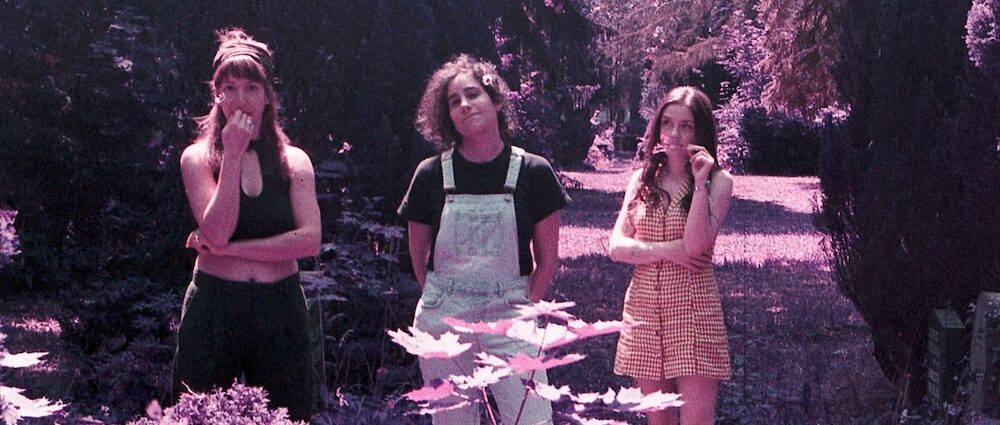
Berlin-based trio Swiss Pleasure have developed a distinctive musical identity through an adventurous blend of dream pop, post-punk, psychedelia and experimental influences. Formed by Agathe, Alea and Claire, the band places creative freedom, vulnerability and collective expression at the centre of their work, with a commitment to amplifying voices historically underrepresented within the music industry.
Their latest release ‘It’s My Party’ offers a striking reinterpretation of the classic made famous by Lesley Gore, uncovering the melancholy, frustration and suppressed anger beneath its seemingly cheerful pop exterior. Through a rawer, more emotionally exposed arrangement, Swiss Pleasure explore the tension between the song’s familiar melodies and the deeper feelings concealed within its lyrics.
The release also reflects the trio’s admiration for Gore’s legacy as a queer icon and LGBTQ+ advocate, connecting their interpretation to wider conversations about identity, representation and the freedom to express difficult emotions.
We caught up with Swiss Pleasure to discuss the inspiration behind ‘It’s My Party’, revealing the hidden emotions of a pop classic, the importance of queer representation and the creative philosophy shaping their evolving musical journey.
–
What inspired you to start making music, and when did it all begin for you?
The band sort of came together during covid out of a desire to create a FLINTA band making original music following in the footsteps of some of our heroes (especially projects with a strong FLINTA presence/vision in the face of sexism/patriarchy). Acts like Sonic Youth, Siouxsie and the Banshees, The Breeders, My Bloody Valentine to name a few. We also all have a maybe somewhat eclectic taste in music but share similar ideals when it comes to writing music, which made understanding our shared vision easier as we started creating together.
How would you describe your sound to someone who’s never heard your music before?
Honestly, it’s difficult to find a concise description that encapsulates everything that we play. Maybe “DreamPopJazzPostPunk” (from our current Instagram description) is closest to an elevator pitch of our sound. Even within a single song we tend to explore various sonic territories (and we were in the studio recently recording some more music which exemplifies our love for genre-blending, which will be coming out soon).
What’s your creative process like when writing or producing a track?
Typically our songs start with one of us bringing an idea into the studio (sometimes lyrics, other times a melodic idea) and then we all slowly build around it. We’re quite meticulous when it comes to crafting our music – we’ll put the song into rotation within our rehearsals and constantly adjust the structure, arrangement, sound, instrumentation etc. Sometimes we’ll put the song away and give our ears some time to rest before coming back to it and listening with a fresh perspective. We’ll also often record our sessions and listen independently, sharing ideas online that we want to try out at our next rehearsal sessions. It’s funny that when we do that we’ll often come up with similar ideas or points where we want to change or add something – it speaks to our shared musical vision.
Who are your biggest musical influences, and how have they shaped your sound?
Although you might hear some nods to some artists we love here and there in our songs, it’s hard to pinpoint specific musical influences because between us there is such a broad range and we’re constantly incorporating different styles/influences on the different songs we write. When we started out we were learning covers just to play together and find our style – a few bands we covered were Fleetwood Mac, Tears for Fears, Pixies… We’re very attached to music from the 60s through the 90s. There’s probably an element of nostalgia to it, but there’s also a raw quality to the music that we love, especially in terms of the recording techniques of the time. It’s probably one of the reasons we like to record live in a studio and to have access to analogue hardware – as opposed to multi-tracking everything digitally, quantizing etc. We’re instead focused on capturing a take together that has the right emotional vibe, regardless of any mistakes, and it makes us more intentional in our process whilst also being open incorporating happy accidents or sudden creative inspiration.
What themes or messages do you find yourself coming back to in your music?
We’re often exploring what might be considered traditional themes – love, war, relationships, social isolation – but we’re always relating back to the current state of the world and our place in it. Our music inherently reflects something about that time that we live in and how we feel about that state of the world. Even behind the more simple songs there are subversive elements that encourage listeners to question or reflect. By nature of being a FLINTA band, we’re already, arguably, reflecting a side of music that is underrepresented (and often gatekept/disregarded) so it seems natural that we draw a lot from these experiences in our songwriting.
Tell us about your latest release — what’s the story behind it?
Our latest release is a cover of Lesley Gore’s “It’s My Party”, a pop anthem with an iconic vibe. We felt we could bring something extra to it, something that would honor who Lesley Gore was both as an artist and as a human, a queer icon at a time when it was much more difficult not to fulfill societal expectations. The original lyrics are quite bittersweet and contrast with the cheerfulness of the original recording, and we felt that it had this unexplored side to it that we wanted to bring out in our arrangement.
What’s been the most exciting or surprising moment of your music journey so far?
Our time spent recording our songs at Butterama Studio in Berlin is definitely a highlight of our music journey. There is something special in the relationship to the space and the people working there with us. Recording is such a vulnerable place to be in, but at the same time it is that vulnerability which allows moments of pure creativeness to happen.
What challenges have you faced as a new artist, and how are you working through them?
Navigating the music industry can be challenging. We’re constantly trying to balance the creative process of making music with promoting ourselves so our work reaches the right audience. With only three of us and limited time, we often find ourselves being challenged in juggling priorities and deciding where to focus our efforts.
How are you using social media and online platforms to grow your audience?
We are not in control of the rules here, but try to make the best out of it by staying authentic to who we are, online. We mainly use Instagram, Youtube and Bandcamp to promote ourselves. The goal for us is that more and more people hear our music, and that our fans are kept aware of our releases and tour dates. We are also aware that maintaining a strong social media presence is quite time-consuming and often unrewarding.
What’s your vision for the future? Any dream collabs, goals, or projects you’re working toward?
The past year saw quite a bit of upheaval in our personal lives and since then our focus has been to record our newer material and then to look into playing more gigs and possibly touring in 2027.
–
Listen to Swiss Pleasure’s new single ‘It’s My Party’ below.